From Strategy to Market
I help destinations and tourism organizations move from potential to market—clarifying their position, developing distinctive experiences, and connecting them with the travelers and trade partners most likely to value them. Depending on the needs of the project, I can contribute at a particular stage or support the process from beginning to end.
-
We begin by developing a clear understanding of the destination, its ambitions, and the realities on the ground.
stakeholder goals
market context
destination assets
operational constraints
existing products and materials
-
We identify where the greatest opportunities lie and establish a focused strategy for reaching the right travelers and trade partners.
target markets
positioning
unique selling points
destination narrative
strategic priorities
-
We turn the strategy into distinctive, market-ready experiences that are both appealing to travelers and practical to deliver.
experience development
itinerary design
supplier readiness
pricing and logistics
contingency planning
-
We create the tools and opportunities needed to communicate the destination clearly and bring its experiences to life for prospective buyers.
FAM trips
virtual FAM trips
buyer-facing materials
website content and planning
webinars and presentations
AI-powered information tools
-
We connect destinations and products with suitable travel companies and support their introduction to domestic and international markets.
DMC introductions
trade outreach
overseas representation
trade shows and sales events
targeted sales campaigns
-
We gather feedback and market intelligence, identify what is—and is not—working, and refine the products accordingly.
buyer feedback
focus groups
booking and inquiry data
supplier review
product refinement
CASE STUDY
Obama & Wakasa, Fukui
Project overview
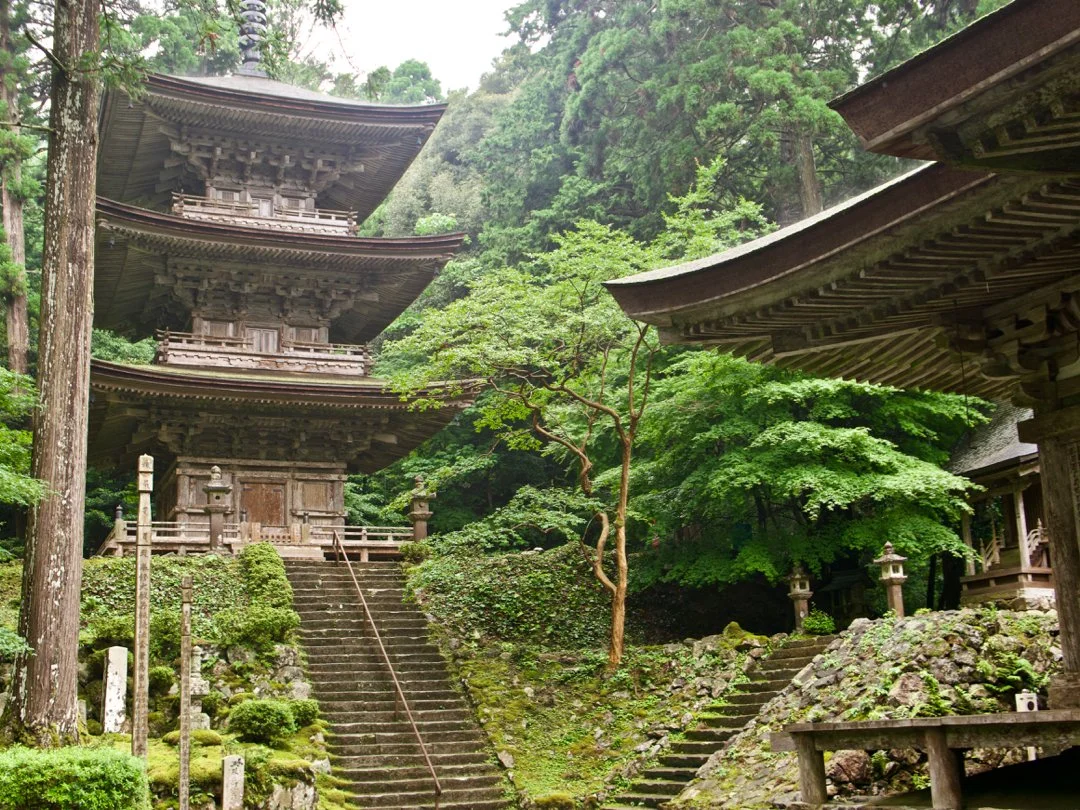
Located on the Sea of Japan coast north of Kyoto, Obama and the surrounding Wakasa region possess a rich combination of cultural, culinary, and natural assets. Ancient temples, fishing communities, historic highways, and traditional townscapes reflect the region’s centuries-old role in supplying food and culture to Japan’s former capitals.
Working with local government, tourism organizations, experience providers, and travel companies, I have helped develop a coherent international tourism offering—from destination positioning and product development to buyer outreach and market representation.
The opportunity
Obama and Wakasa offer many of the qualities sought by international travelers: living traditions, distinctive food culture, uncrowded landscapes, and meaningful encounters with local people. Yet many of these assets were little known outside the region or had not been developed into experiences that international travel companies could confidently sell and operate.
The opportunity was to establish a clear identity for the region, built around its historic relationship with Kyoto, the Saba Kaidō, and the interconnected landscapes of satoyama and satoumi—and then translate that identity into distinctive, market-ready experiences.
My role
My work has extended across the process of bringing the destination to the international market, including:
destination assessment, positioning, and narrative development
stakeholder consultation and coordination
cultural, culinary, cycling, hiking, and marine experience development
itinerary design and regional route planning
supplier preparation and operational advice
pricing, logistics, and contingency planning
English-language website and buyer-facing content
product manuals, tariffs, presentations, and sales materials
FAM trips, webinars, and product demonstrations
consultation with DMCs and international tour operators
trade outreach, sales meetings, and market representation
product refinement informed by buyer and participant feedback
My involvement in both strategy and delivery has allowed me to evaluate how ideas function in practice and translate feedback between local partners and international travel companies.
From strategy to market
Rather than presenting the region as a collection of sightseeing spots, we developed a destination narrative connecting its history as a miketsukuni food-producing region with the Saba Kaidō and the enduring relationship between mountain communities and the sea.
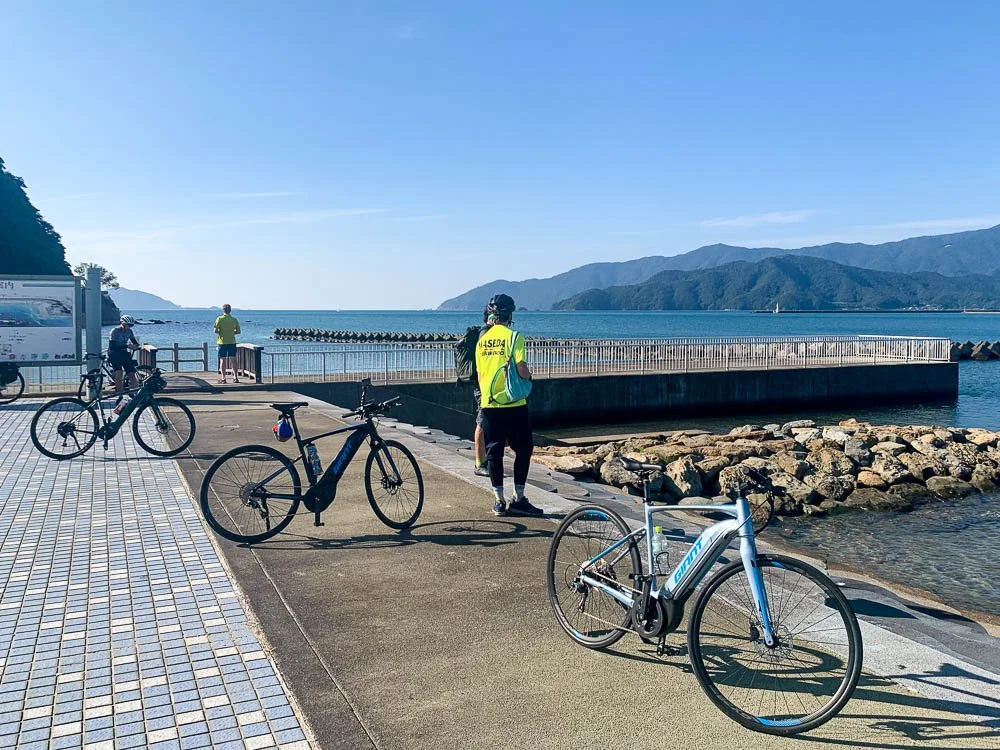
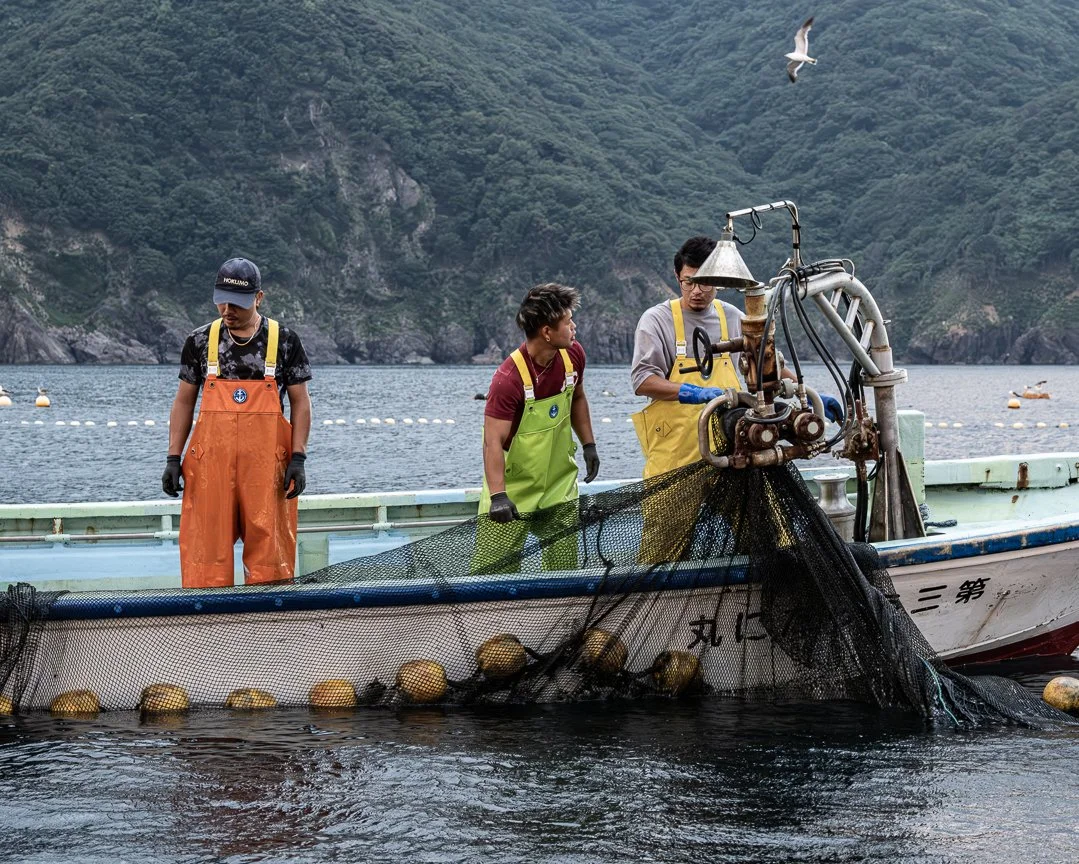
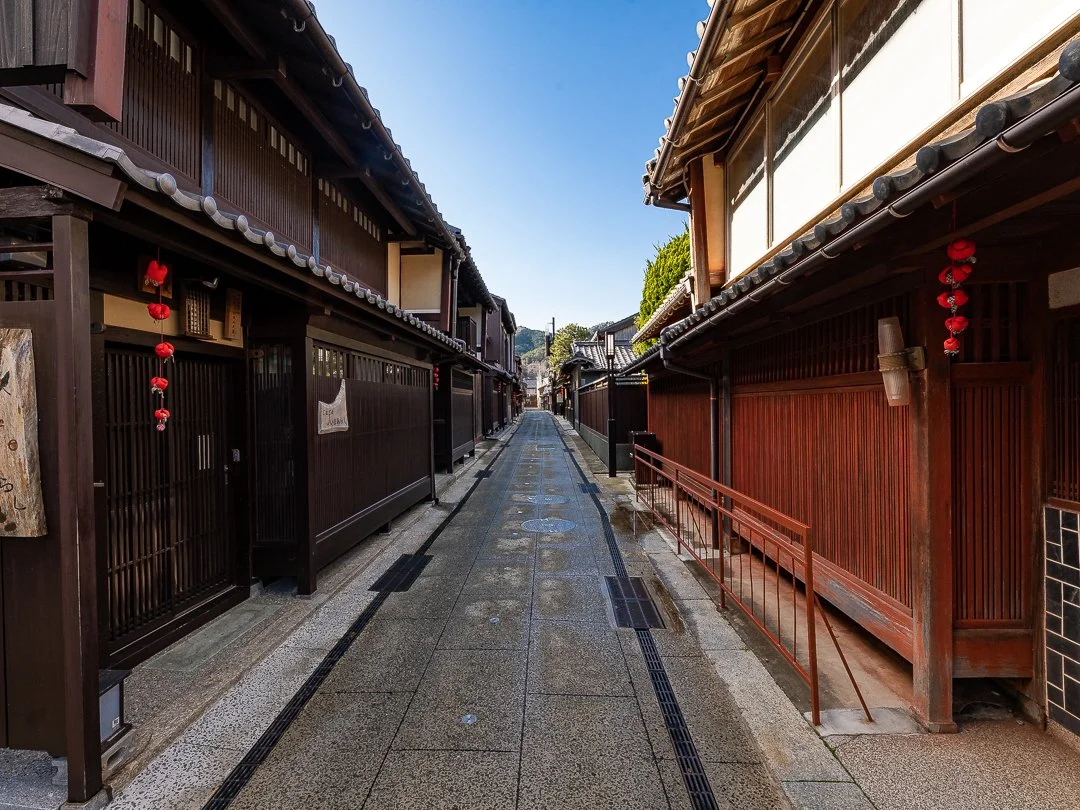
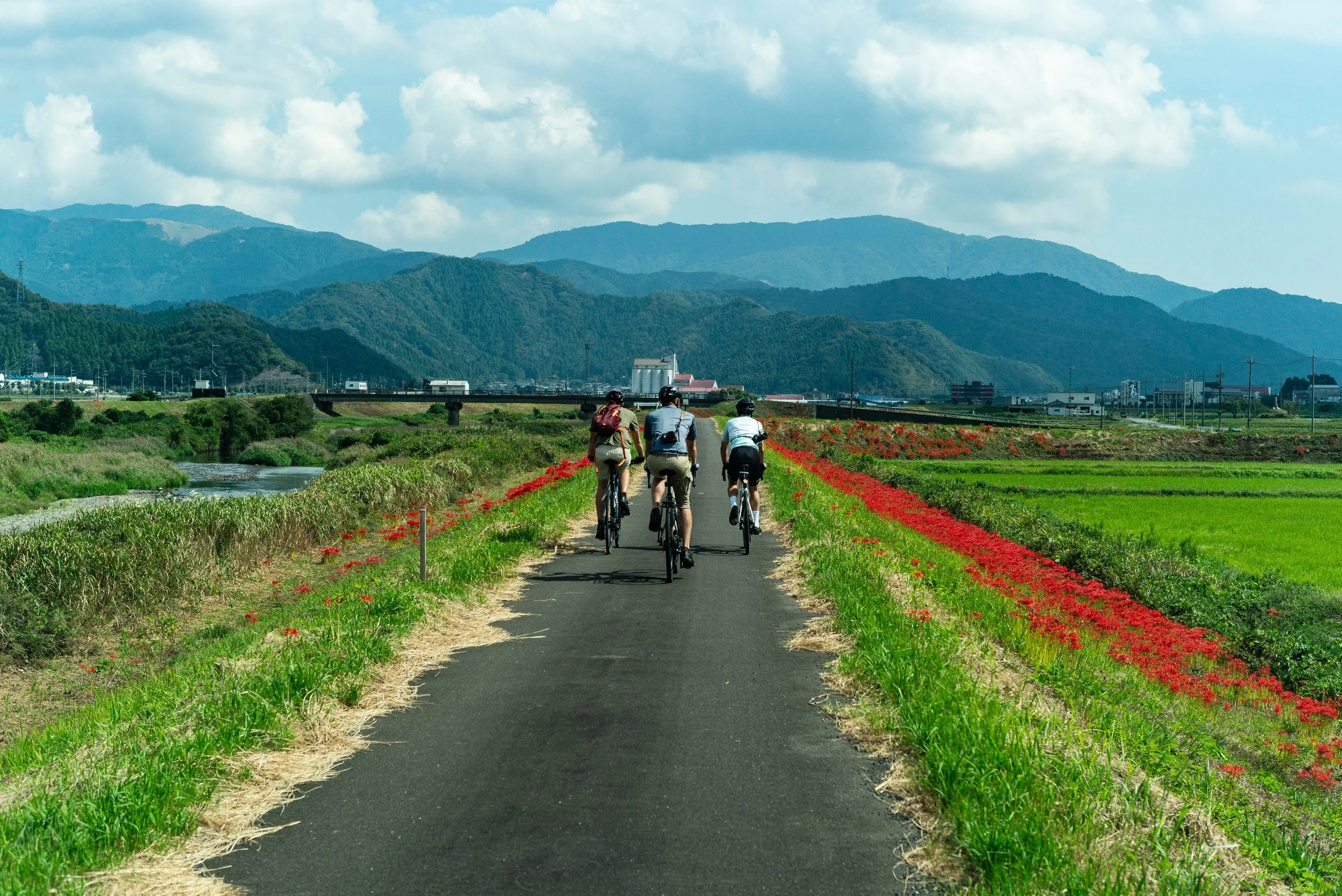
Working with local partners, I helped shape these assets into experiences such as cycling through temple villages and rural landscapes, meeting the head priest of Jingū-ji for tea, exploring the historic Nishigumi district, visiting the morning fish auction, kayaking and fishing along the coast, and walking sections of the Saba Kaidō.
Alongside this experience development, I helped establish pricing and operating conditions, coordinate suppliers, plan for contingencies, and prepare English-language product manuals, tariffs, and sales materials. The resulting experiences have been introduced to travel companies through consultations, webinars, FAM trips, trade events, and direct outreach, with feedback used to refine both products and strategy.
Outcomes
The project has created a stronger foundation for bringing Obama and Wakasa to the international market. Progress to date includes:
a clearer destination narrative and international-market positioning
a portfolio of distinctive, bookable experiences and itineraries
improved coordination among local partners and experience providers
practical pricing, operating information, and trade-ready materials
stronger English-language communication of the region’s appeal
direct relationships with DMCs and international tour operators
greater visibility through FAM trips, webinars, sales activity, and trade events
continuing product refinement based on market feedback
The work remains ongoing. Its long-term purpose is not simply to increase visitor numbers, but to attract travelers who value the region’s culture, landscapes, and communities—and to develop tourism that is both commercially viable and locally meaningful.